What Actually Drives Water Damage Pricing in Brazil
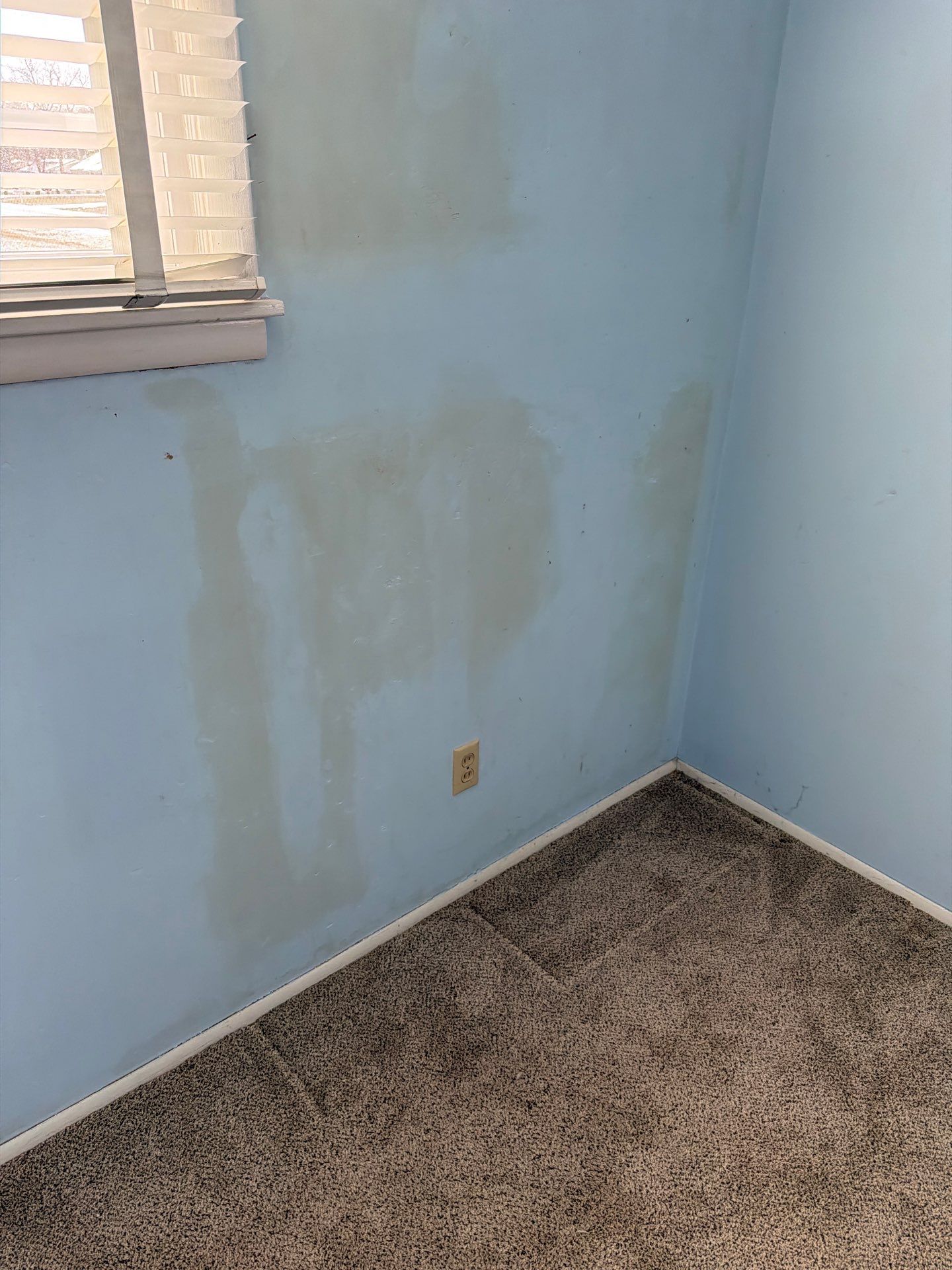
Most Brazil homeowners think water damage cost is about square footage. Square footage matters, but it is rarely the biggest cost driver. The real variables are water category (clean, gray, or black per IICRC S500), Class of evaporation (how much porous material is wet), how long the water sat before mitigation began, and whether structural drying requires removal of drywall, flooring, insulation, or cabinetry. A 200 square foot kitchen with Category 3 sewage will cost more than a 1,200 square foot finished basement with a clean supply line leak caught in two hours.
Equipment days are the second hidden driver. A typical drying job in central Indiana runs three to five days with air movers and dehumidifiers running 24 hours. Each piece of equipment carries a daily rate. When humidity stays high or the structure has dense materials like hardwood subfloor or plaster, days extend, and so does the invoice. This is why fast response matters so much. Every hour you wait, secondary damage spreads, and your water damage restoration scope grows. We have seen Brazil jobs double in price simply because the homeowner waited until morning to call.
The third driver is access and demolition. A burst pipe behind a tiled shower wall costs more to address than the same volume of water on open vinyl plank. Cabinetry removal, hardwood floor lifting, and ceiling cuts all add controlled demolition labor. Reconstruction after drying is a separate phase with its own pricing, and it can easily exceed the mitigation cost when finishes are high-end or when permits are required for electrical or plumbing repairs uncovered during demolition.
A fourth driver that surprises many Brazil homeowners is the age and construction of the home. Older properties in established neighborhoods often have plaster walls, original hardwood, and layered flooring assemblies that hold moisture longer and resist standard drying methods. Newer builds with engineered materials can also be challenging because laminated products like LVP and engineered hardwood often need full replacement rather than drying. The structure itself dictates the playbook, and the playbook dictates the price.
Complete Price Breakdown for Brazil Water Damage Jobs
The table below reflects realistic 2024 pricing ranges Brazil Water Restoration sees across Brazil and surrounding central Indiana neighborhoods. These are not national averages. They are what local crews, local disposal fees, and local labor markets actually produce on invoices.
| Service Line Item | Typical Unit | Brazil Price Range | What Affects the Number |
|---|---|---|---|
| Emergency dispatch and inspection | Per visit | $0 to $250 | Often waived when work is authorized |
| Water extraction (Category 1, clean) | Per sq ft | $1.50 to $4.00 | Depth of standing water, carpet vs hard surface |
| Water extraction (Category 2, gray) | Per sq ft | $4.00 to $7.50 | Antimicrobial application, PPE |
| Water extraction (Category 3, black) | Per sq ft | $7.50 to $12.00 | Sewage protocols, disposal fees, containment |
| Structural drying equipment | Per day | $75 to $175 per unit | Number of air movers and dehus, runtime |
| Antimicrobial treatment | Per sq ft | $0.25 to $1.00 | Category 2 or 3, mold risk |
| Drywall removal (flood cut) | Per linear ft | $3.50 to $8.00 | Height of cut, insulation behind |
| Carpet and pad removal/disposal | Per sq ft | $0.75 to $2.50 | Glue-down vs tack strip, disposal weight |
| Hardwood floor drying (mat system) | Per sq ft | $5.00 to $12.00 | Species, finish, subfloor moisture |
| Content manipulation and pack-out | Per hour or per room | $45 to $120 per hour | Volume, storage needs |
| Mold remediation (if present) | Per sq ft | $10 to $25 | Containment, HEPA filtration, clearance testing |
| Reconstruction (drywall, paint, flooring) | Project | $2,500 to $25,000+ | Finish level, square footage, materials |
| Typical full-loss range, Brazil home | Total | $3,800 to $18,500 | Category, Class, scope |
Reading the Numbers in Context
A small kitchen leak caught early in a Brazil ranch home often lands between $1,800 and $3,500 total. A finished basement loss from a sump failure with two days of saturation typically runs $6,500 to $14,000 once you include flood cuts, equipment, antimicrobial, and basic reconstruction. A sewage backup affecting a bathroom and adjacent hallway frequently exceeds $12,000 because of the Category 3 protocols, disposal, and required material removal. If you are dealing with a sump or seepage event, our basement flooding cleanup guide walks through how those scopes get built.
Insurance matters here more than most people realize. A covered sudden and accidental loss in Brazil usually leaves the homeowner paying only the deductible, commonly $1,000 to $2,500. Brazil Water Restoration bills the carrier directly using Xactimate, the same estimating platform adjusters use, which reduces friction and prevents the back-and-forth that delays drying. For losses caused by long-term seepage, lack of maintenance, or groundwater, coverage often does not apply, and the full invoice falls to the property owner. We will tell you which category your loss likely falls into during the inspection, before you commit to anything. If your situation started with a pipe failure, our burst pipe response breakdown covers the specific cost mechanics.
It is also worth understanding how depreciation and recoverable depreciation work on a claim. Carriers typically issue an Actual Cash Value payment first, holding back depreciation until the work is completed and invoiced. On a $15,000 loss, that holdback can be $3,000 to $5,000, which means your initial check will not cover the full job. Brazil Water Restoration structures billing around this reality so Brazil homeowners are not caught off guard mid-project, and we document completion thoroughly so the recoverable depreciation releases without dispute.
One last point on pricing transparency. Beware any Brazil contractor who quotes a flat dollar figure over the phone without inspecting the loss. Water damage scope cannot be honestly priced without moisture readings, a thermal scan, and a category determination. Anyone who skips those steps is either guessing or padding. Our written estimates itemize every line, list equipment counts and runtimes, and reference IICRC standards so your adjuster can match it to their software line by line, which is the fastest path to approval and the cleanest finish to your claim.